Blog
2026 National Rally Championship
🐾 Good luck and congratulations to the incredible Miniature American Shepherd teams competing this weekend at the 13th AKC National Rally Championship! 🐾 Taking place July 18 & 19, 2026, at The Roberts Centre in Wilmington, Ohio, these amazing dogs and handlers embody what Rally is all about: Teamwork, Focus, and Fun! Let’s hear it for these powerhouse MAS teams showing off their confidence through communication: Every sign tells a story, and these teams have worked so hard to write theirs. Leave your good luck wishes and cheer them on in the comments below! 👇🎉🐕 #AKCRallyNationalChampionship #MiniatureAmericanShepherd #AKCRally #RallyObedience #ProudMAS #TeamworkFocusFun #GoodLuckTeams
MASCUSA RESEARCH FUND
Where is it, how do we donate, can we donate to specific projects, and who decides? Recently we received some great questions about the MASCUSA Research Fund. After some wonderful conversations with the AKC Canine Health Foundation and our go-to member for canine genetics research, I have some organized answers to share. Where is our Research Fund? Currently, our Research Fund is housed with the AKC Canine Health Foundation, where donations can be made at any time. Because the Foundation is a 501(c)(3) nonprofit organization, donations are tax-deductible. The money is held in our Miniature American Shepherd Donor-Advised Fund until we choose to allocate it. Members can make a tax-deductible contribution by visiting the link below, clicking the tile on the right, and then selecting the Miniature American Shepherd Donor-Advised Fund from the drop-down menu. The page also explains how donor-advised funds work. https://www.akcchf.org/donate/focused-giving/donor-advised-funds/ If it helps, here is a quick tutorial showing how to donate: https://app.tango.us/app/workflow/Donate-to-CHF-via-Donor-Advised-Fund-404a35d6ef11414b8519649bc57bbc44 What has changed? In 2025, Purina discontinued its Parent Club Partnership Program, which credited our club for redeemed UPC codes from Purina products. Under that program, Purina contributed 50% of the funds directly to our AKC Canine Health Foundation Donor-Advised Fund and sent the remaining 50% to the club. The club earmarked those funds as the “Research Fund” through board-approved meeting minutes. The club ultimately donated the entire Research Fund balance to Purdue University to support its work on NAD research in our breed. This was recommended by a member, approved by motion, and passed by the Board of Directors. Can we donate to specific research projects? Absolutely! As an individual, you can donate directly to any active research project supported by the AKC Canine Health Foundation. As a club, we can also support an investigator, such as Shawna Cook, so that when she submits a research proposal related to the Miniature American Shepherd, we are prepared to help fund it. Having money available in our donor-advised fund is important because these projects are generally at least $10,000 and typically require approximately 10% in committed support to get started. Who decides? Each year, we are required to allocate at least 5% of our donor-advised fund. If there are no specific projects we wish to support, that allocation goes to the AKC Canine Health Foundation’s General Fund. If there is a research project we are excited about supporting—whether it is brought to our attention by members, committees, researchers, or geneticists—we can choose to invest an agreed-upon amount. The responsibility for making those decisions currently rests with the MASCUSA Board of Directors. However, we rely on our members to bring new research opportunities to our attention. If you know of a worthwhile project or have an idea, please email us. We welcome your suggestions!

The Miniature American Shepherd Gains Royal Kennel Club Recognition!
Effective July 1, 2026, the Miniature American Shepherd was officially recognized by The Royal Kennel Club (UK) and classified in the Pastoral Group on the Imported Breed Register. In exciting news for our breed, the MASCUSA Board has been informed by The Royal Kennel Club that we could designate our National Specialty as the official qualifying show for Crufts! Crufts Eligibility Requirements: Complete information, including entry details, can be found on the official Crufts website Crufts | The World’s Greatest Dog Show or by contacting The Royal Kennel Club directly at 10 Clarges Street, London, W1J 8AB, UK. Information for 2027 Crufts Competition can be found at https://crufts.org.uk/life-with-your-dog/activities/dog-showing/qualification-for-crufts/
Breeder Spotlight – Shawn Marie Davis – Salish’ ROR
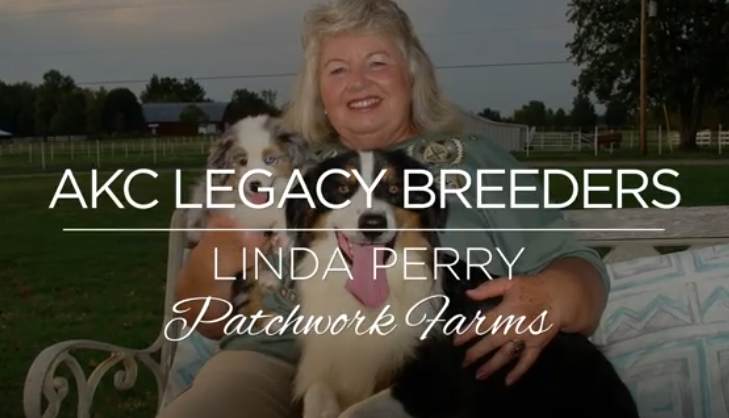
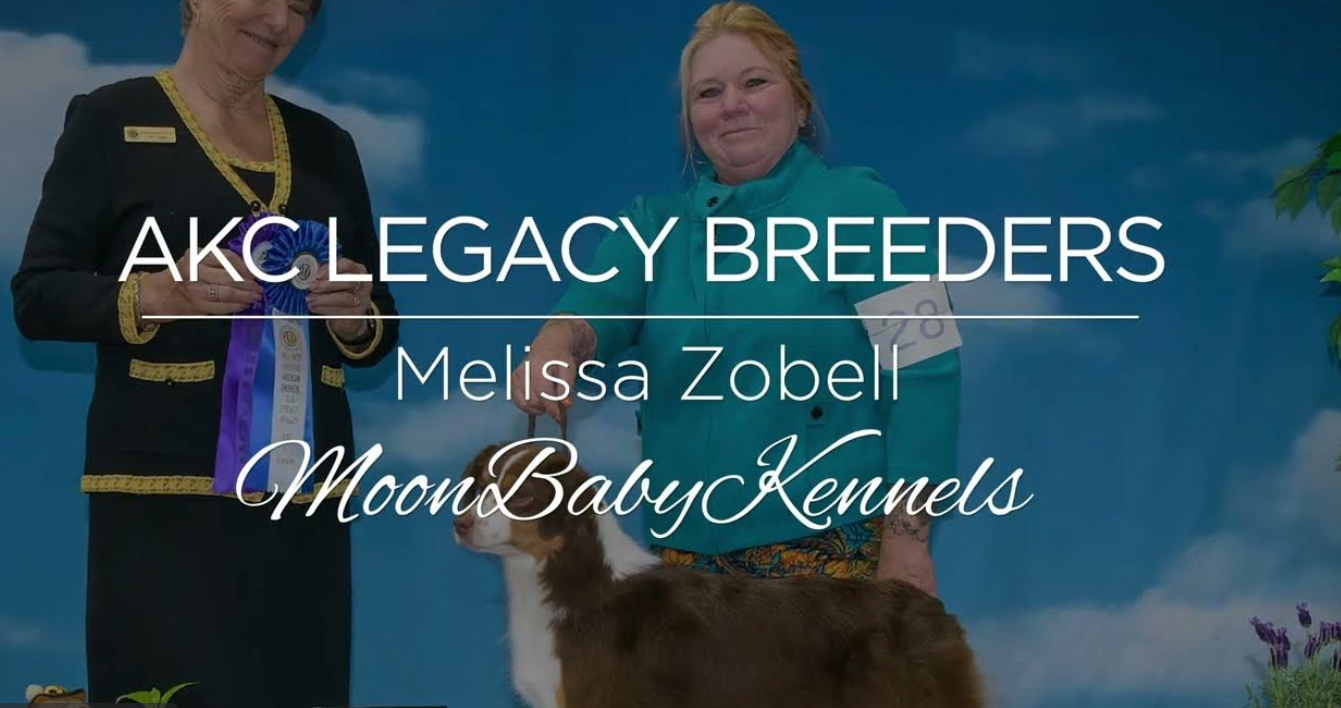
Location: WashingtonYears in the breed: 18MASCUSA member? YesProgram Type: Small Breeder 1. Can you tell us a bit about yourself and your background in breeding Miniature American Shepherds? Been breeding purebred AKC Dogs since 1977, as age took over, we went from 35+ yrs in Salukis to Minis. They were easier to show and breed. We enjoyed being a part of bringing them into AKC. My mentor is Cheryl Hass. 2. What drew you to the Miniature American Shepherd breed, and what do you love most about them? The size and easiness of living with them. 3. How do you approach the breeding process to ensure the health and well-being of your dogs? Temperament and health testing first and foremost then type and structure. For me careful linebreeding to achieve the attributes I’m hoping to continue with and ones I’m hoping to bring out and improve. 4. What are the most important qualities you look for in a Miniature American Shepherd when considering breeding? #1 Temperament #2 breed type #3 soundness which has to go along with type. 5. What challenges have you faced as a breeder, and how have you overcome them? I wasn’t familiar with the different lines of the minis so a few trial and error but I had an excellent mentor that knew all the lines so well and what could blend together for health and beauty. I treasure her. 6. Can you describe your kennel’s environment and how you ensure that your dogs are well-socialized? We have four large exercise yards and ALL of our dogs are house dogs. They are crate trained for travel but they spend their entire days with access to their yards and home. We keep our numbers low so this can happen. 7. How do you select prospective owners for your puppies? What qualities do you look for? A lot of my show puppies go to show people that I’ve had a long history with. My pet people are people concerned about temperament and what their plans are for their puppy. Just a homebody or a performance dog. 8. What advice would you give to someone interested in becoming a breeder of Miniature American Shepherds? TEMPERMENT AND HEALTH FIRST. STUDY your pedigrees. If possible, go to the Nationals and see what’s out there and what you prefer. Before ever starting your breeding program. See what compliments who, sometime a dog that’s beautiful still doesn’t go well with your dog when bred, that to me were pedigrees come in sooo much. Don’t just breed on a whim if you’re trying to improve your look. 9. Can you tell us about any notable successes or achievements you’ve had with your dogs (titles, recognition, etc.)? I spent 35 yrs breeding top show Salukis with outstanding temperaments. Linebreeding, I could guarantee what a litter would look like on paper. So, when we decided to move to minis, I wanted to start at the top and I was able to do that with my mentor…
Breeder Spotlight – Julky Lenoci – Rebel Soul
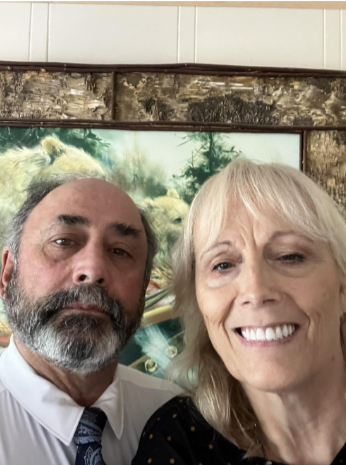
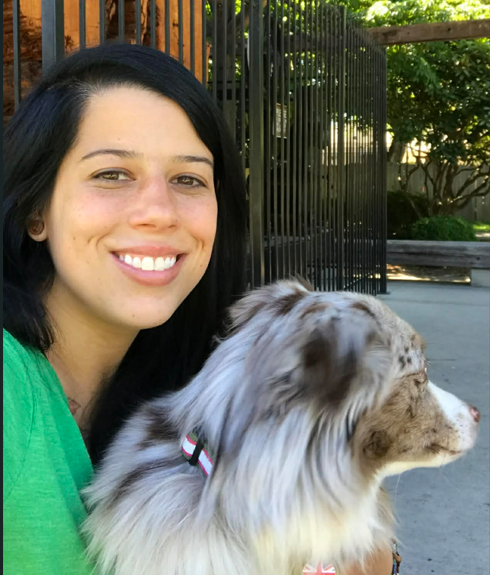
Location: OregonYears in the breed: 20MASCUSA member? I was, but amnot currentlyProgram Type: Service/ESA Breeder 1. Can you tell us a bit about yourself and your background in breeding Miniature American Shepherds? I have been training, breeding, and showing dogs for over 20 years. I began with Australian Shepherds and have been involved with Miniature American Shepherds since 2006. I live in Oregon with my husband, Tony, my service dog, Cherry, and six generations of Rebel Soul dogs. I am deeply invested in pedigrees and have a particular appreciation for bi-color dogs. I believe in raising puppies with intention and integrity, and that temperament is everything. 2. What drew you to the Miniature American Shepherd breed, and what do you love most about them? My first service dog was a Mini, and she saved my life. I was drawn to their unwavering loyalty and the depth of the bond they form with their owners. They are also incredibly versatile and highly intelligent. 3. How do you approach the breeding process to ensure the health and well-being of your dogs? Research, research, research. It’s not only about the individual pairing or ensuring pedigrees are compatible — it’s about envisioning my program multiple generations down the road. I strive to collect as much data as possible on both individual dogs and their pedigrees. I spend countless hours studying multiple generations within my own lines, as well as the pedigrees I plan to incorporate. My in-depth knowledge of Miniature American Shepherd and Australian Shepherd pedigrees is central to my research and long-term breeding decisions. 4. What are the most important qualities you look for in a Miniature American Shepherd when considering breeding? Temperament is paramount. If I can’t live with it, I don’t care how many BIS titles it has — it’s not worth it to me. Happy customers and well-adjusted dogs will always matter more than a ribbon. 5. What challenges have you faced as a breeder, and how have you overcome them? I think the biggest challenge is having the courage to follow your own path, even when othersdisagree. Many people told me not to use one of my foundation bitches, yet I wouldn’t be where Iam today without her. I believe we must trust our instincts and remain true to ourselves. 6. Can you describe your kennel’s environment and how you ensure that your dogs are well-socialized? My dogs live in my home, and my puppies are raised in my living room—not in a kennel. We live on a farm, so they grow up surrounded by animals and everyday activity. My husband is a musician, ensuring our dogs are exposed to a wide range of sounds from an early age. We also welcome many visitors, giving the puppies gentle, hands-on interaction from day one. 7. How do you select prospective owners for your puppies? What qualities do you look for? I use a detailed puppy application and a phone interview to ensure I’m working with the right people. Each litter…
Breeder Spotlight – Fran Withers and Kim Johnson – Dynasty
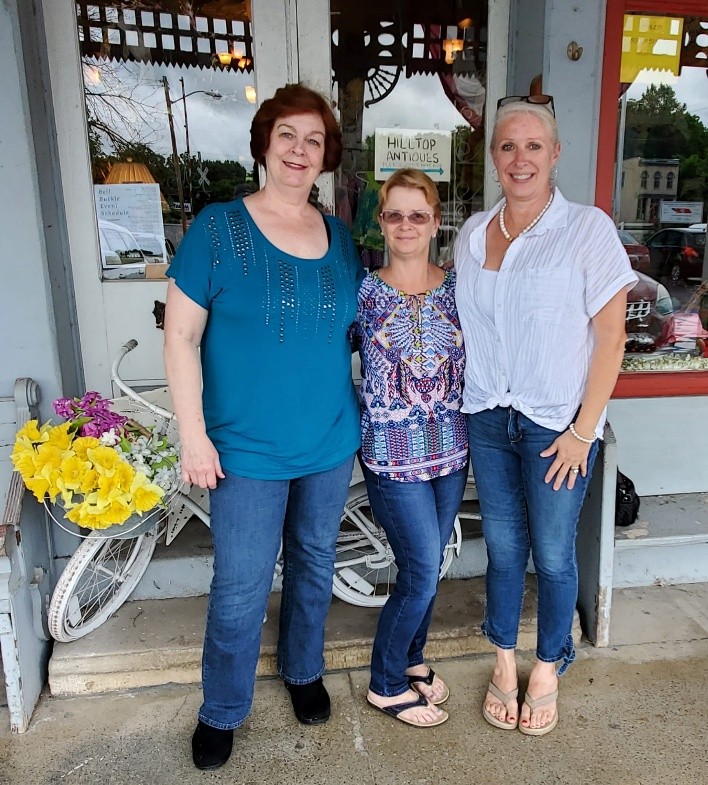
Location: Georgia Years In The Breed: 20+ MASCUSA Member: Fran was a long-time member prior to her death then granted Honorary Membership by MASCUSA BOD & Kim has re-applied Program Type: Hobby Breeder Pictured Left to Right; Fran Withers, Kim Johnson, & Lorri Gordon 1. Can you tell us a bit about yourself and your background in breeding Miniature American Shepherds? Fran founded Dynasty Aussies and moved to downsize with her smaller Aussies. We met in Georgia at her training facility and a few years later we became partners. Xena was our first co-own dog. 2. What drew you to the Miniature American Shepherd breed, and what do you love most about them? Intelligence and Versatility 3. How do you approach the breeding process to ensure the health and well-being of your dogs? As smaller breeders we know the dog’s health history, how long they lived, what they died from and what problems they had in their lives.. Health testing is done before they enter our breeding program. We are fortunate to have an extensive database of pedigrees that allow us to see what matches produced the best outcome. 4. What are the most important qualities you look for in a Miniature American Shepherd when considering breeding? Temperament is number one for Dynasty Mini’s the vast majority of the puppies live in pet homes, and we want to have dogs that are sound in mind and body. A strong front assembly and the ability to use it correctly. Movement is a key to our breeding side gait and the ability to converge. 5. What challenges have you faced as a breeder, and how have you overcome them? Size was an issue at the start it was all over the place, I think as we have progressed it has stabilized. People upholding contracts, they can be hard to enforce but it can be done with a well written contract, have an attorney review your contract and when you need to enforce it. One thing that people don’t plan for is death, with Fran’s passing I learned how much you need to have plans in place for the papers to be signed, stored semen to be transferred and even your kennel name. Make sure you have this written down and your family knows what to do and where to find it. 6. Can you describe your kennel’s environment and how you ensure that your dogs are well-socialized? All of our dogs live in homes; we don’t have a kennel. Luckily, we have several co-owners that we work with either send the girls to us when it is time to whelp or whelp the litters with my assistance. Our puppies are raised in our homes exposed to the other dogs, cats, kids and different environments in the home. The adult dogs that live with us do lots of different activities from conformation, rally, obedience and FAST CAT. We go out to lots of dog events in our community. 7. How do you select…
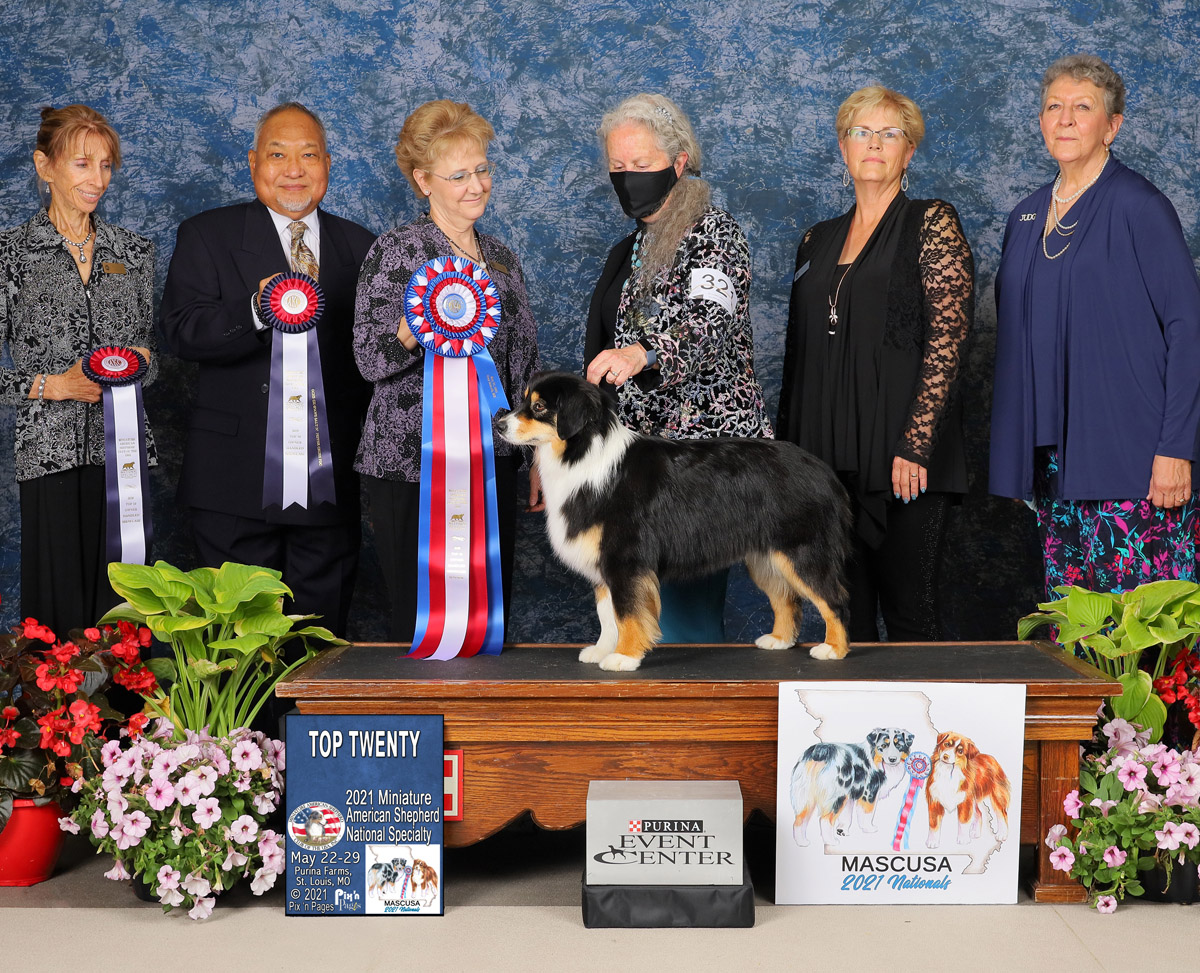
Breeder Spotlight – Debra Shambaugh
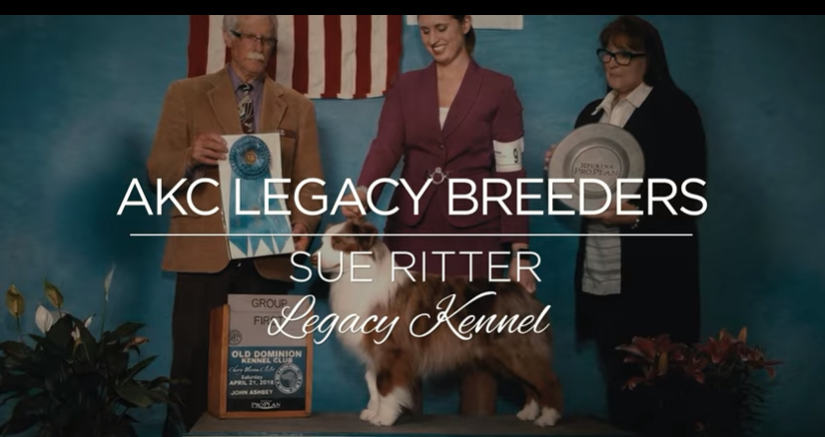
Location: Wyoming Years Breeding: 20 MASCUSA Member: Yes Program Type: Small Breeder 1. Can you tell us a bit about yourself and your background in breeding Miniature American Shepherds? I have been in dogs professionally for over 50 years. I showed obedience and trained in Schutzhund. My aunt was an Aussie breeder and got me involved with Aussies. About the time I got my first female Aussie I got involved in movie work. She did a bunch of things but most notably she did the Walt Disney movie Flight of the Navigator. She was maybe 16″. I also rescued Aussies from shelters, trained and adopted them to new homes. (~200 in a year) At that time, I noticed how big the Aussies were getting. I ran into the minis at a show where I met Lynn Gray, Judy Linder and Karen Keller to name a few. I explored showing and soon began breeding to produce my own show dogs. I understand from rescuing overpopulation of the breed, so I have limited breeding. I am super selective on who and when I breed. This is a fun thing for me and will continue to be. In the past, I was a horse show judge, so I learned an eye for structure and movability which I use for my dogs. When I look at my minis, I want to see an Australian Shepherd in a smaller package with Aussie structure, movement and temperament. 2. What drew you to the Miniature American Shepherd breed, and what do you love most about them? I wanted an Aussie in a smaller package like they were years ago. I love their temperament and loyalty. 3. How do you approach the breeding process to ensure the health and well-being of your dogs? I used to be a vet tech, so I keep a close eye on each one and I keep up with the health requirements for the breed. As a small breeder, I breed maybe 1 litter a year. Temperament is assessed as part of my breeding program by rating adult dogs’ personality traits. The evaluation uses a scale with categories A, B, and C, where “A” is the highest. Each category is defined by specific criteria. This rating is applied when evaluating a breeding pair for temperament improvement. I developed the scale based on years of experience with Australian Shepherds, including evaluation and training responses. 4. What are the most important qualities you look for in a Miniature American Shepherd when considering breeding? I look at temperament first. If I can’t get past the attitude, I don’t breed that dog. If that is good, I look at bone, head type, movement and many details of the structure. 5. What challenges have you faced as a breeder, and how have you overcome them? I restarted my breeding program several times until I was satisfied with the results. My new approach has attracted repeat customers over many years, and the pups I retained led to dogs with excellent temperament and show quality. 6. Can you describe your kennel’s environment and…